Ever wondered if you could bring ancient secrets back to life? Picture gentle researchers treating old scrolls like hidden treasures filled with whispered spells and secret lore. They carefully mend delicate manuscripts lost to time, using a blend of age-old skills and a touch of modern, clever magic (like adding a sprinkle of digital wonder).
This story is woven with tales of expert hands restoring mysterious texts, turning fragile relics into sparkling treasures of history and magic. It's amazing how passion and precision can light up the past like a warm campfire on a cool night. Have you ever felt the thrill of watching history come alive?
Restoration Case Analysis: Overview of Ancient Arcane Manuscript Revivals
Imagine discovering a dusty scroll full of whispered spells, hidden away in a forgotten corner. Researchers have collected enchanting stories of how ancient manuscripts, filled with mysterious secrets, are being lovingly revived. Each case is its own tale, complete with details like lists of people and places, modern digital labs that sparkle with new ideas, historical backstories, and special journals that note every tiny repair. One story even begins with the surprise of finding a scroll that revealed lost incantations in faint, delicate writing, like a secret waiting to be told.
In these magical revivals, experts mix old-world mending skills with today’s digital tricks. Think of the Medieval Fragments from the Abbey of Mondsee: a beautiful partnership with a cherished national library that used careful cataloguing and imaging to breathe new life into worn relics. There’s also a spellbinding tale of restoring Greek inscriptions using something called PYTHIA, a deep neural system (a digital magic that helps fix faded letters) that cut down errors significantly. One project even showed that this clever system reduced mistakes to 30.1 percent compared to over half the errors by human experts. And then there’s the vellum revival project, a true display of expert practices as they pieced together many fragmentary bits of history.
Workshops and hands-on courses bring these restoration techniques to life. They teach teams exactly how to handle delicate ancient scripts and rare books with care. These studies are more than technical guides, they’re signposts along a wondrous journey, from the first handshake between institutions to groundbreaking archival discoveries. It’s a blend of hard science and delicate art, inviting anyone curious to celebrate the rich, magical history woven into every ancient text.
Historical Document Mending: Conditions and Context of Arcane Manuscripts

Scholars begin their magical journey by gently surveying each delicate page and faded ink line. They treat worn edges and old repair marks as secret messages from a time gone by, almost like reading a letter from the past where every tear holds a hidden story.
In soft-lit study rooms, experts learn the enchanting art of mending and cataloguing these ancient treasures. They share little secrets, like recording every tiny detail so that each note becomes a bridge connecting us to history. It’s a method that treats each manuscript as if it’s carrying whispers of old, reminding us how precious these relics truly are.
A special archive gathers fresh updates on fragment evaluations, keeping everyone in tune with the latest magical discoveries. Experts often refer to timeless guides like "Antique Printed Works: Deciphering Old Texts" to refine their approach. Step by step, the initial surveys transform into a captivating blueprint for restoring manuscripts, merging careful planning with the wonder of a lived fairytale.
Codex Conservation Techniques: Traditional Methods vs. Modern Tools
Imagine taking an ancient manuscript and treating it like a magical puzzle. In the All Fragments section, skilled experts piece together every fragment using secret, time-honored techniques. They mend gossamer paper with wheat starch paste, almost like patching up a cherished, worn quilt. When it comes to brittle vellum, these specialists work under carefully controlled humidity, much like a gentle gardener tending a rare orchid. They sometimes use Japanese tissue as a soft overlay, adding extra strength while keeping the original script’s charm. For example, they say, "Gently blend the new tissue with the old writing, like adding a soft echo to a treasured melody."
Now, modern tools join the magic of these traditional methods. Today’s conservation wizards use something called guided digital mapping, a digital wonder that works like a magnifying glass to reveal the faintest strokes and hidden secrets. It’s a beautiful blend of old and new, where ancient art meets digital enchantment.
| Technique | Method | Example |
|---|---|---|
| Paper Mending | Wheat starch paste | “A gentle bond that whispers tales of old.” |
| Vellum Realignment | Controlled humidity | “Smooth, like reuniting long-lost friends.” |
| Digital Mapping | Guided software | “A digital probe revealing hidden inscriptions.” |
For those who dream of delving deeper into the art of codex conservation, check out step-by-step guides at antique tome restoration crafts on fairytaleinkbooks.com?p=2072.
Digital Archival Recovery: The PYTHIA Case in Epigraphic Restoration
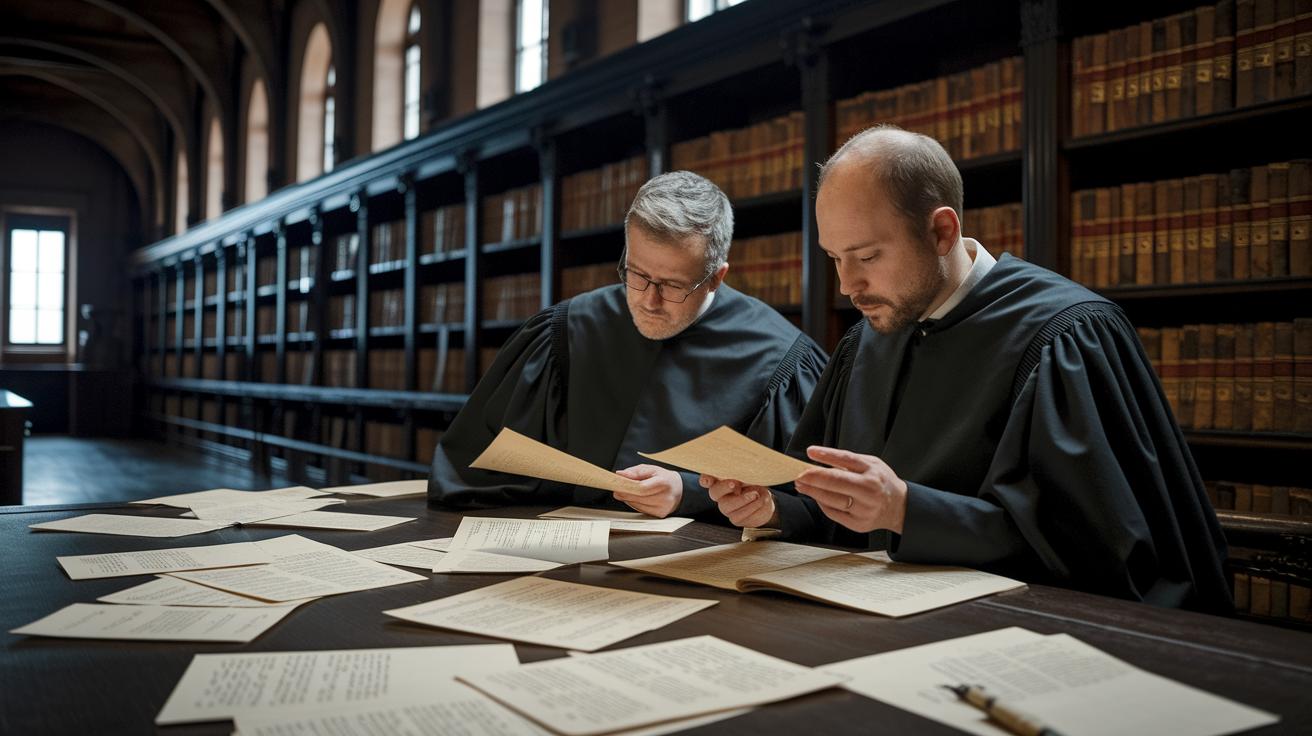
In the quiet corners of old archives, PYTHIA works like a gentle magic to mend inscriptions nearly lost to time. Using smart deep neural networks trained on PHI-ML (a digital treasure chest of ancient Greek writings), it listens to the soft whispers of the past, filling in missing letters as if completing a timeless puzzle.
Performance tells its own story. PYTHIA achieves a character error rate of 30.1%, a remarkable improvement over the 57.3% rate seen with human experts. Imagine that, a rate of 30.1% is like catching almost every lost note of a forgotten melody, showing just how helpful this tool can be. In about 73.5% of cases, the correct sequence is among its top 20 guesses, offering a magical boost to those skilled in the art of restoration.
This digital marvel isn’t here to replace careful human reading. Instead, it lends a fresh perspective to each ancient fragment, providing a handful of likely readings when faced with a damaged inscription. This way, experts can compare their options and choose the version that best suits the context of history.
Curious scholars and restoration enthusiasts can also dive into a freely available Python notebook, along with an open-source PHI-ML processing pipeline. These resources invite everyone to explore and experiment, making the journey of restoring lost texts a shared adventure. By blending modern computational techniques with time-honored methods, PYTHIA helps unearth hidden voices from ancient civilizations, all while celebrating the unique magic that human insight brings to preserving our past.
Case Study on Medieval Fragments: Abbey of Mondsee Restoration Project
In this enchanting project, a team of dedicated experts set off on a quest to breathe new life into precious medieval fragments. Teaming up with the Austrian National Library, these caretakers of history stepped gently through each phase of restoration as if unwrapping a secret from the past.
They began by lovingly cataloguing every fragment, making sure to capture the unique story that each piece cries out to be heard. One delicate note whispered, "Every parchment holds a tale waiting to be told." It was like listening to the soft murmur of ancient voices calling out across time.
With the grace of modern wizardry, the team employed amazing imaging tools that revealed even the faintest hints of the past. Picture a magical device, much like a high-resolution camera, uncovering hidden letters on a worn scroll. They maintained just the right balance of moisture in the air, a key element for keeping the fragile materials safe, much like ensuring a story’s magic isn’t lost to time. Tiny, precise repairs were carried out in vulnerable spots to support the original script, securing every whisper of history.
This charming adventure unfolded in several delightful steps:
- Cataloguing with care to share each fragment’s unique journey
- Using imaging magic to uncover lost details
- Controlling humidity to guard every enchanted material
- Carefully patching weak spots to preserve the ancient script
| Method | Description | Example |
|---|---|---|
| Cataloguing | Recording every piece’s story with care | “Every mark holds a memory.” |
| Imaging | Using a high-resolution tool to reveal hidden clues | “Discovering secret inscriptions unveiled by time.” |
| Paper Consolidation | Delicate repairs to strengthen fragile spots | “Restoring resilience to each treasured fragment.” |
News of this wondrous restoration is shared like treasured lore in a special journal, with updates sprinkled along a news archive. Each update invites the community to marvel at the ongoing revival of these relics, keeping the magic of history alive for everyone.
Expert Insight in Restoration: Workshops, Training and Quality Assessment
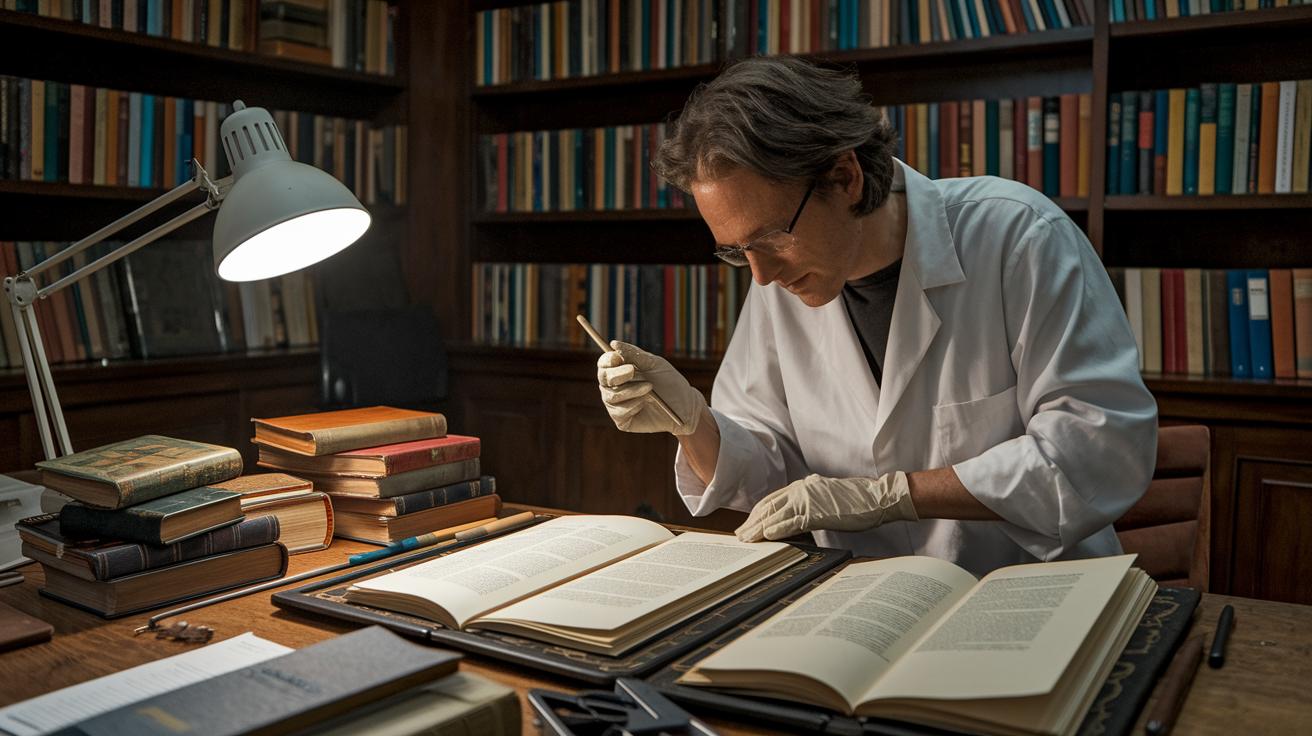
Step into a realm where restoration is as enchanting as a whispered legend. Specialized cataloguing courses become the secret spells that unlock legendary insight. Conservation scientists, like wise storytellers, lead hands-on workshops that reveal practical magic, such as the care in recording every single ink stroke. One charming mentor might murmur, "Treat each page as if it speaks its own tale." These sessions blend timeless skills with fresh ideas, lighting up the hearts of everyone who takes part.
When it comes to checking the quality of restoration, imagine it as a gentle health check for ancient stories. Teams wander through each document with regular surveys, making sure every repair keeps the manuscript's original magic intact. Condition monitoring reports, created after every workshop, serve as little scorecards, reminding us to review each checksum report as if it were a special check-up for pages steeped in history.
Experts gather these precious insights in a dedicated journal, where the best practices shine like hidden treasures. Key quality indicators include:
| Quality Indicator |
|---|
| Periodic structural surveys |
| Regular condition monitoring reports |
| Detailed workshop summaries on document care |
Each of these methods ensures that every delicate document receives the kind of care that makes it feel like a cherished heirloom, wrapped in the gentle embrace of timeless magic.
Final Words
In the action, the blog post whisked us through the enchanting world of preserving treasured texts. It detailed careful condition assessments and hands-on methods that breathe new life into age-old manuscripts.
We marveled at the blend of traditional codex mending and guided digital mapping, brought to life with engaging expert insights and vivid examples like the Greek inscription repair and Medieval Fragments of the Abbey of Mondsee.
Each case study: restoration of ancient arcane manuscripts leaves us filled with hope and wonder for what comes next.
FAQ
Q: What does the restoration case analysis involve?
A: The restoration case analysis covers the preservation of rare manuscripts by highlighting key projects such as Medieval Fragments of the Abbey of Mondsee, a Greek inscription repair with PYTHIA, and a vellum revival project.
Q: What insights does historical document mending provide?
A: Historical document mending explains how condition surveys, provenance research, and cataloguing courses prepare experts to handle fragile, centuries-old manuscripts before any repair work begins.
Q: How are codex conservation techniques compared?
A: Codex conservation techniques compare manual methods like paper mending with wheat starch paste and vellum realignment with modern tools like digital mapping in a specialized conservation lab, ensuring stable manuscript repair.
Q: What role does the PYTHIA system play in digital archival recovery?
A: The PYTHIA system uses deep neural networks to restore missing or damaged characters in ancient Greek inscriptions, offering more accurate results than traditional manual epigraphy methods.
Q: What details are highlighted in the Medieval Fragments case study?
A: The Medieval Fragments case study details collaborative work with the Austrian National Library, covering cataloguing, imaging, humidity control, and localized paper consolidation, with findings shared in a dedicated journal.
Q: How do expert training and assessments enhance restoration projects?
A: Expert training and assessments, including hands-on workshops and quality reviews, play a crucial role in maintaining high standards in manuscript care by regularly monitoring and updating repair techniques.