
Have you ever wondered if dusty, ancient writings might share their secrets with us today? Now, magical digital tools let us gently uncover hidden stories in old manuscripts, almost like a wise friend giving us little hints. Imagine a tool that softly lights up forgotten words, or one that tidies up messy scribbles as if setting the stage for a timeless tale. This story shows how friendly, clever tech can turn the mystery of old texts into an enjoyable quest for discovery.
Essential Digital Tools for Deciphering Arcane Manuscripts

Digital tools are turning the art of unraveling ancient writings into a playful adventure. Imagine a tool like Voyant Tools, which is like a magic mirror for words. It instantly shows you how often words appear and the secret patterns hidden in old texts. Ever upload an old manuscript and see forgotten phrases glow like enchanted sparks? This clever optical scanning catches hidden symbols, lighting the way for a smoother journey in reviving aged writings.
Then there’s OpenRefine, a tool that tidies up messy data as if it were sweeping away autumn leaves from a forgotten path. It cleans and organizes your notes so that even the jumble of old pages becomes neat and ready for deep exploration. And when the mysterious handwriting seems too faded, Transkribus steps in like a kind guide, using AI magic (a sort of digital wizardry that reads old, worn-out letters) to transform obscured scribbles into clear text. It’s a gentle mix of computer power and human touch, making each ancient word come alive.
Rounding out this set of digital wonders, Omeka lets you create your own interactive, searchable gallery of manuscripts. Picture grouping tales, marking enchanting details, and sharing your discoveries like you would a treasured storybook with friends. Each of these tools plays a unique role, weaving together a workflow that balances delicate art and smart technology. With their friendly interface and surprising ease, these digital charms offer both scholars and curious explorers a clear path to unlock secrets from centuries past.
High-Resolution Imagery Enhancement for Manuscript Analysis

Using smart imaging equipment and clever computer magic, experts now bring old, delicate manuscripts back to life. The magic of multispectral imaging uses special lights like ultraviolet, infrared, and normal visible light to uncover secret inks hidden on the pages. Imagine shining a UV light over a centuries-old diary and watching a faded note glow like a secret signal – it's simply astonishing!
Then there's Reflectance Transformation Imaging (RTI), which acts like a magical spotlight adjusting its angle to reveal every soft brushstroke and tiny indent on the paper. Special pixel-level repair techniques study nearby patterns to mend missing strokes, almost like a digital artist carefully piecing together an ancient puzzle.
Moreover, computational artifact imaging uses machine vision (a way for computers to see details) to brighten and clarify old letters on vellum and parchment. This technique makes faint marks pop, transforming nearly invisible writing into clear, accessible details.
Each of these magical methods works together, revealing secrets hidden by the passage of centuries and letting even the most fragile manuscripts whisper their age-old tales to us once more.
Automated Transcription Protocols for Arcane Scripts

Today, magic meets modern tech as scholars bring ancient scrolls back to life. OCR wonders like ABBYY FineReader and Transkribus work like enchanted quills, turning old scans into editable text with almost perfect accuracy on clear pages. They act like swift scribes, transforming printed symbols into searchable words, so you don’t have to spend hours copying by hand.
Then there’s Tropy, a brilliant helper that organizes and tags photos of timeworn pages, making it easy to explore vast collections. Likewise, Genius Scan gathers multiple photos into one searchable PDF, ensuring every image adds to your growing digital treasure. And NVivo steps in like a wise guide, processing transcripts, images, and audio with magical tools that uncover the hidden layers of historic texts.
Imagine Transkribus AI models, trained to read handwritten scripts from days gone by. They expertly recognize medieval and early modern lettering, making even the faintest marks burst into clarity. This clever network, combined with a secret engine that understands meanings, turns fragile scans into digital scrolls that are both easy to study and full of wonder. Suddenly, the ancient language feels like an inviting adventure rather than a daunting puzzle.
When you mix all these enchanted tools together, they create a powerful transcription protocol that not only speeds up converting old texts but also makes them impressively accurate. Here’s a delightful fact to start with: OCR platforms can reach up to 98% accuracy on clear manuscripts! It’s as if digital magic breathes new life into forgotten stories.
This machine-guided journey smooths out the research process and opens secret doors to innovative discoveries. Now, scholars can explore mysterious patterns and subtle details hidden in centuries-old texts with a bright spark of clarity and confidence.
Handwriting Identification Systems and Paleographic Assistance Software

Imagine stepping into a world where ancient manuscripts whisper their secrets through enchanted digital tools. These modern marvels help scholars, much like seasoned storytellers, match mysterious writings to their original scribes with a touch of magic. Tools like Transkribus AI have been trained on treasured examples, reaching an accuracy of over 90%. They work like a charming scribe detector, studying every gentle curve, the soft weight of each stroke, and even the hidden glow of the ink.
This delightful assistance software unravels the tiniest differences in letters, as if it were reading between the lines of an old fairy tale. Think about spotting a subtle shimmer in the ink flow or a playful twist in letter spacing that hints at a different hand behind the work. These delicate details help experts compare pages side by side and gracefully date texts, revealing who penned each magical note.
Then, picture tools that lay out multiple pages like pieces of a fantastical puzzle, allowing you to see the smallest scribal variants. This charming method helps build a clearer, ever-evolving picture of how texts transformed over time as scribes left their unique marks on history.
- Stroke width variation
- Pen-angle detection
- Ligature pattern matching
- Ink flow consistency
- Character spacing analysis
One thoughtful paleographer once said, "When even a slight shift in the pen's angle reveals a new tale, it's like following a secret map woven into the fabric of history." These systems turn the art of handwriting analysis into an engaging, heartwarming adventure, inviting us to rediscover secrets hidden in timeworn pages.
Integrative Platforms for Interactive Content Mapping and Analysis
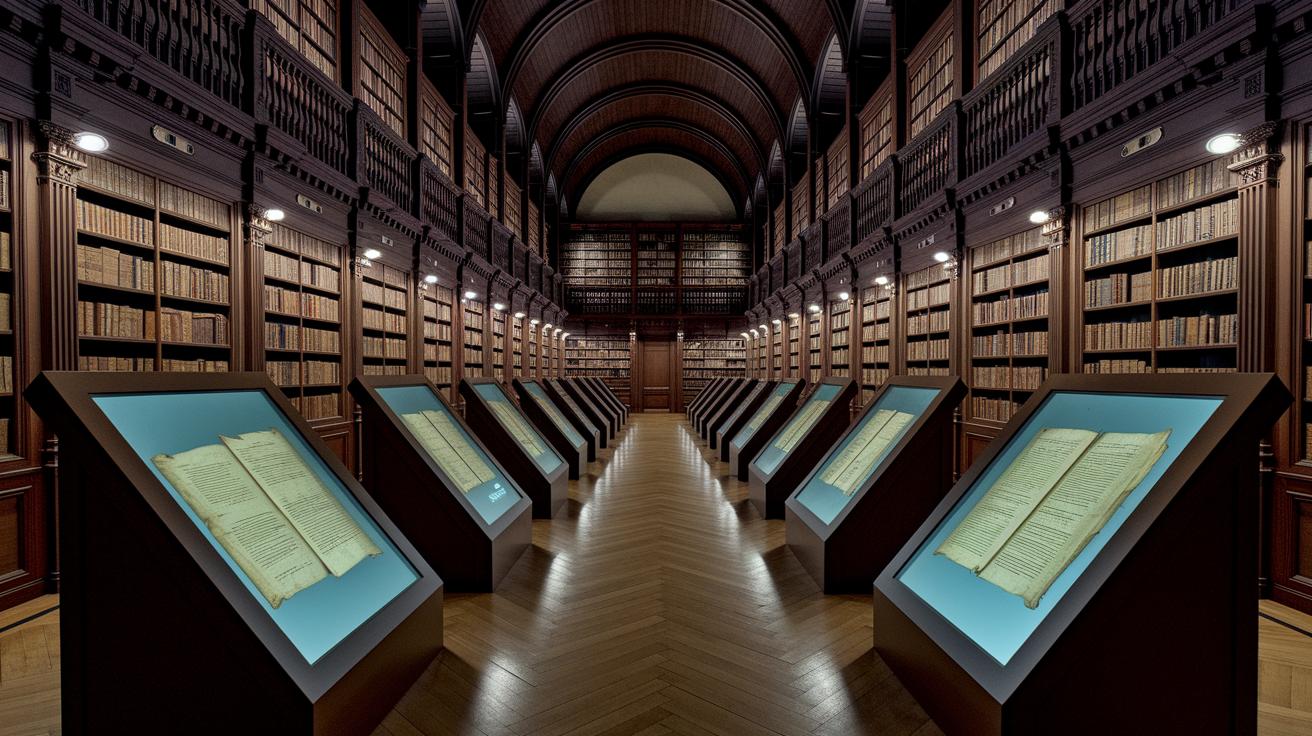
Step into a magical world where old manuscripts sing with new life. Today’s digital platforms blend mapping, timeline making, and metadata tagging to reveal hidden secrets in ancient texts. Omeka, for example, uses Dublin Core metadata and themed exhibits to help scholars build digital galleries that whisper enchanting stories.
ArcGIS StoryMaps takes you on an adventure with layered maps and multimedia magic, turning spatial histories into vivid tales. It acts like a sparkling bridge that connects serious research with the colorful art of storytelling. Ever wonder how maps can tell a tale?
Then come tools like Palladio and KnightLab TimelineJS. Palladio transforms plain data into lively graphs that show how things change over time, much like a spell that unfolds secret connections. KnightLab TimelineJS creates magical interactive timelines where images, text, and links gather to weave a seamless historical narrative.
These amazing platforms do more than organize data; they invite researchers to explore hidden layers of knowledge. With precise mapping and clear visual touches, every tool brings ancient details to life, mixing art and science in a way that feels simply wondrous.
| Platform | Function | Format | Use |
|---|---|---|---|
| Omeka | Metadata tagging | Galleries | Digital collections |
| ArcGIS StoryMaps | Geospatial narratives | Maps, multimedia | Historical mapping |
| Palladio | Network visualization | Graphs | Temporal studies |
| KnightLab TimelineJS | Timeline creation | Timelines | Sequential stories |
Preservation Strategy Frameworks and Virtual Repository Exploration
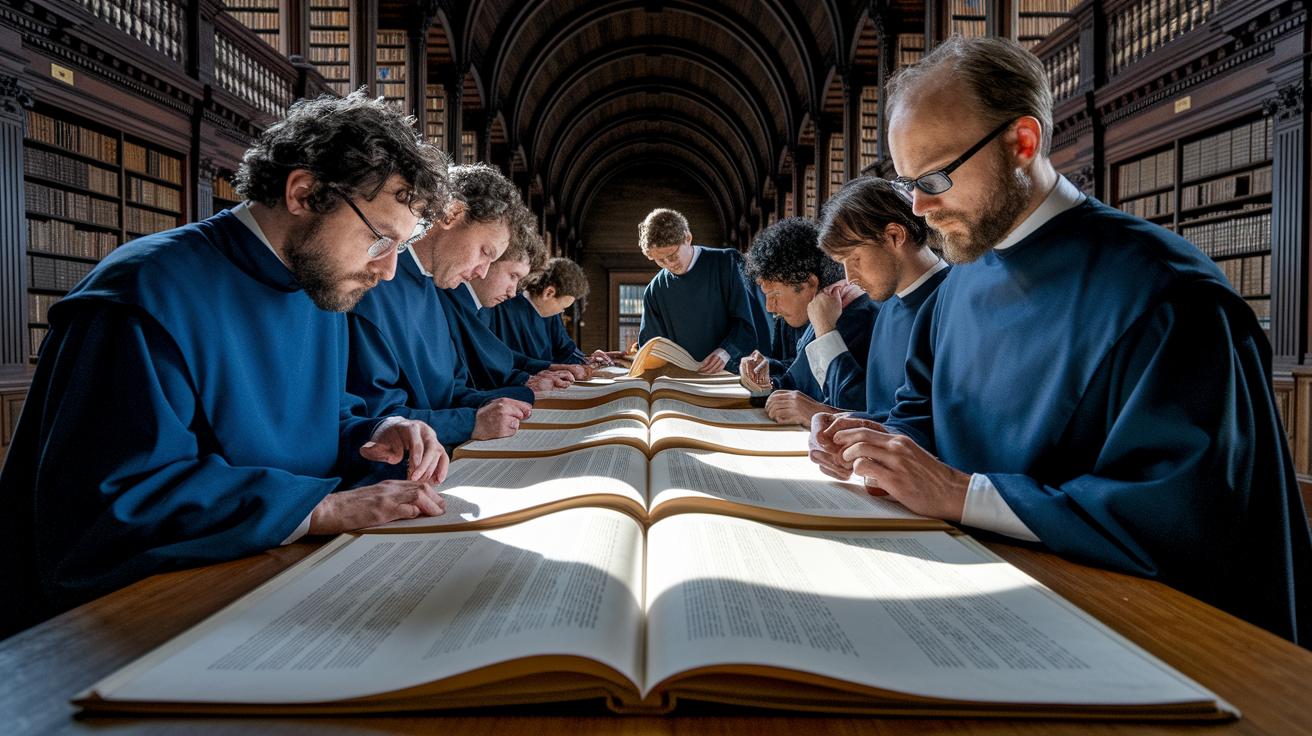
Today, digital wizards and scholars are using clever, modern magic to save and celebrate priceless manuscripts. By blending the secrets of cloud vaults (a digital treasure chest for ancient texts) with enchanted relic imaging (like capturing memories with a magical lens), experts create a safe digital realm where old writings can be studied and admired for generations to come.
This special plan forms a strong path that not only turns delicate artifacts into digital wonders but also uses ancient pattern magic to bring hidden details to light. Imagine a process where even a centuries-old note transforms into a vivid story, each pixel gently refined so you can see every faint letter and graceful stroke with sparkling clarity.
Every step in this magical journey is designed to keep history alive and radiant. To build this secure digital pathway, researchers follow a thoughtful plan:
- Check the condition of each treasure and decide which to save first
- Pick the right imaging magic (like DPI, bit depth, and file format)
- Use a special metadata spell (think TEI or Dublin Core, which tag and tell the tale of each relic)
- Double-check the digital copy with magic checksums
- Send it off into a cloudy repository with version tracking, like a digital library with time travel
- Plan regular refreshes and updates to keep the magic current
- Set up protective measures so only the right souls can view the treasures with public API keys
This complete, enchanted pipeline lets digital archivists care for ancient manuscripts with gentle precision. Every careful step, from risk checking to keeping track of tiny details, ensures that our delicate heritage stays both visible and strong, ready to share its wondrous past with anyone curious enough to explore its magic.
Final Words
In the action, we've uncovered how modern digital techniques help shine a light on ancient writings. We explored cloud-based layouts, multispectral imaging that brings hidden details to life, and smart transcription turning old script into interactive narratives.
Every segment in our exploration invites us to connect with timeless stories and innovative preservation methods. Embrace these digital tools for deciphering arcane manuscripts and let your next magical exploration begin.
FAQ
What do digital tools for deciphering arcane manuscripts PDF versions, free downloads, and best options provide?
The digital tools for deciphering arcane manuscripts offer methods that convert ancient texts into searchable formats. They include free, downloadable options that extract text and metadata from PDF scans, easing scholarly research.
What does vHMML and the Vhmml Reading Room represent?
The vHMML and Vhmml Reading Room refer to a digital platform designed to display and annotate historical manuscripts. They provide an interactive space for scholars to explore and analyze digitized medieval texts.